
9:33
Vehicle carriers are specialised vehicle-mounted equipment that offer safe, professional solutions for transporting cars and heavy vehicles. As the automotive industry develops, demand for vehicle carriers systems continues to grow. They play an important role in automotive logistics, used vehicle deliveries, fleet transportation, and long-distance transport.
What Is a Vehicle Carrier?
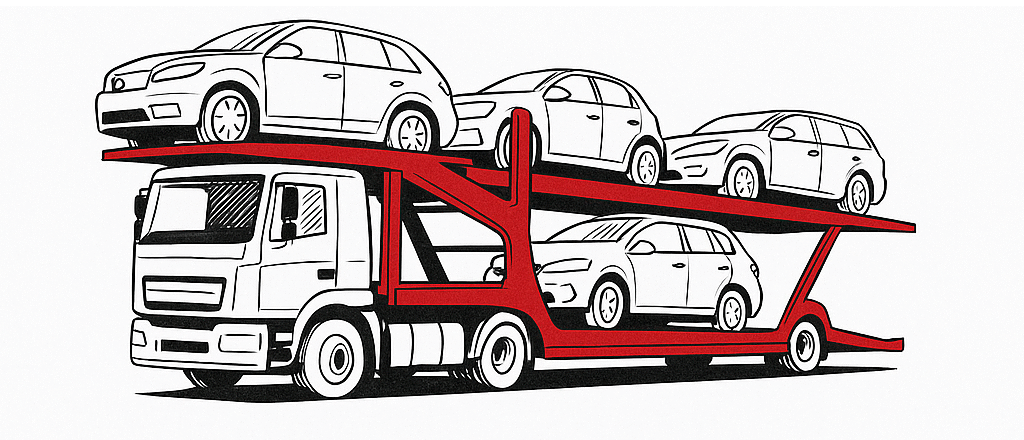
A vehicle carrier is a specially designed transport system that enables vehicles of different sizes and weights to be carried safely. Single-vehicle carriers are generally preferred for individual needs, while multi-vehicle carriers are widely used by automotive companies, distributors, and logistics providers.
Applications of Vehicle Carriers
- Automotive logistics: Transporting new vehicles from factories to dealerships.
- Used vehicle market: Transporting vehicles between cities.
- Emergencies: Recovering vehicles following accidents or breakdowns.
- Fleet transportation: Transferring vehicles for corporate fleets.
Advantages of Using Vehicle Carriers
- Safe transportation: Ensures vehicles are delivered without damage.
- Time savings: Allows multiple vehicles to be transported simultaneously.
- Cost advantages: Reduces fuel and labour costs.
- Professional solutions: Improves efficiency in logistics operations.
What Should You Consider When Choosing a Vehicle Carrier?
- The number and weight of the vehicles to be transported,
- Manufacturing quality and the materials used,
- Safety equipment, including hydraulic systems and locking mechanisms,
- After-sales service and maintenance support.
Vehicle carrier systems are among the automotive industry’s most critical pieces of equipment. Choosing the right vehicle carrier offers significant advantages in both safety and cost. At KALEPAR, we provide high-quality vehicle carrier manufacturing and service solutions tailored to our customers’ needs.
Vehicle Carrier Manufacturing and Maintenance: Factors That Define Quality in the Industry
Vehicle carrier manufacturing is a specialised field that requires engineering expertise, safety, and durability. As one of the most widely needed types of equipment in the automotive and logistics industries, vehicle carriers require both high manufacturing quality and regular maintenance due to their intensive use.
Why Is Quality Important in Vehicle Carrier Manufacturing?
The durability of vehicle carriers depends on material quality and workmanship. Poor-quality materials or manufacturing that does not meet standards can create serious safety risks during transportation. For this reason, the following are essential in the production process:
- High-strength steel materials,
- Modern welding and assembly techniques,
- Compliance with international quality standards.
How Should a Vehicle Carrier Be Maintained?
Every vehicle carrier subjected to intensive use requires regular maintenance. This includes:
- Inspecting hydraulic systems,
- Inspecting tyres and axles,
- Testing brakes and safety equipment,
- Maintaining corrosion-resistant coatings and paintwork.
A vehicle carrier that is not maintained regularly can experience breakdowns and potentially cause accidents during transportation.
Factors That Make a Difference in the Industry
- Flexible, customer-focused manufacturing,
- Service and spare parts support,
- Quality assurance for a long service life,
- Local manufacturing capabilities.
KALEPAR Assurance in Vehicle Transportation
At KALEPAR, we serve the industry with over 40 years of experience in vehicle carrier manufacturing and modern production facilities. We prioritise not only durability but also ease of use and safety in our products. Through our after-sales service and maintenance support, we also ensure that our customers can use their vehicle transporters safely for many years.
Vehicle carrier manufacturing and maintenance are critical to the safety and efficiency of logistics operations. Quality manufacturing and regular maintenance ensure the safety of both the carrier and its cargo.